
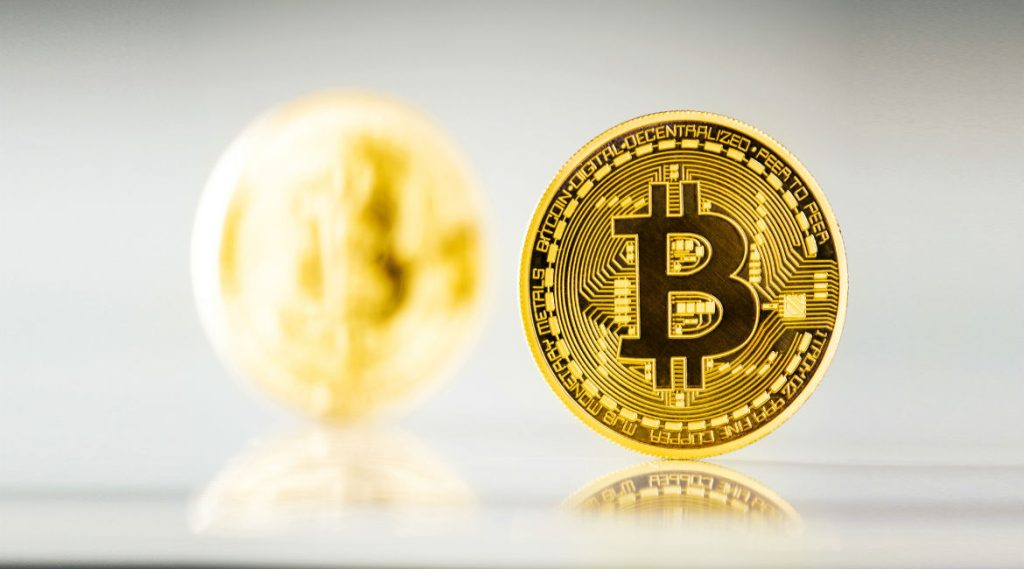
Introduction: A New Era of Money
In the realm of finance and technology, few innovations have generated as much intrigue, skepticism, and transformative potential as Bitcoin. Launched in 2009 by the mysterious figure Satoshi Nakamoto, Bitcoin introduced a radically new approach to currency—one that defies traditional banking systems and operates outside the purview of central authorities. As the world edges closer to digital transformation, Bitcoin continues to gain traction as both a revolutionary financial instrument and a philosophical stance on economic freedom.
What Is Bitcoin?
Bitcoin is a decentralized digital currency that uses blockchain technology to facilitate peer-to-peer transactions without relying on banks, governments, or intermediaries. It is entirely virtual, stored in digital wallets, and protected by advanced cryptographic algorithms. At its core, Bitcoin is a response to the vulnerabilities of centralized monetary systems—a self-sustaining network where users control the value, flow, and security of money.
The Key Features That Define Bitcoin
-
Decentralization: No government or single organization owns or manages Bitcoin. The network is maintained by a globally distributed network of miners and nodes
-
Blockchain Technology: Each transaction is recorded on a public, immutable ledger called the blockchain, ensuring transparency and accountability
-
Limited Supply: Only 21 million Bitcoins will ever exist, introducing a scarcity akin to precious metals like gold
-
Security: Bitcoin uses SHA-256 encryption and a Proof-of-Work consensus mechanism to secure the network from fraud or manipulation
-
Pseudonymity: Users are identified by encrypted wallet addresses rather than names, allowing for privacy without complete anonymity
The Rise of Bitcoin: From Obscurity to Mainstream Recognition
In its early years, Bitcoin was regarded as a fringe concept, primarily associated with tech-savvy libertarians and darknet markets. However, as economic uncertainties deepened globally—especially after the 2008 financial crisis—the demand for an alternative form of money began to swell. Over time, Bitcoin evolved from a novel experiment to a legitimate asset class recognized by both retail investors and institutional players.
Why Bitcoin Matters in Today’s Economy
Bitcoin’s growing appeal can be traced to several critical economic and social dynamics:
-
Hedge Against Inflation: In an age where central banks print money to stimulate sluggish economies, Bitcoin offers a store of value immune to currency devaluation
-
Financial Inclusion: For the 1.7 billion people globally without access to banking services, Bitcoin presents a decentralized way to save, spend, and transfer money
-
Transparency and Trust: Blockchain technology allows every transaction to be verified publicly, building trust in a way traditional finance often fails to do
-
Remittance and Cross-Border Payments: Bitcoin eliminates the need for costly intermediaries, allowing people to send money across borders faster and cheaper
-
Sovereignty Over Wealth: Bitcoin empowers individuals to hold and move their wealth independently, free from political or institutional interference
The Challenges and Controversies
While Bitcoin offers a compelling vision of financial autonomy, it is not without challenges and criticisms:
-
Volatility: Bitcoin’s price swings are notorious, making it unsuitable for those seeking stable short-term returns
-
Regulatory Uncertainty: As governments seek to impose regulations, the legal future of Bitcoin remains unclear in many jurisdictions
-
Environmental Impact: Bitcoin mining consumes significant energy, drawing criticism from environmentalists and policymakers alike
-
Scalability: The network can currently handle a limited number of transactions per second, though second-layer solutions like the Lightning Network aim to solve this
-
Illicit Use Cases: While not inherently criminal, Bitcoin has been used in illegal transactions due to its pseudonymous nature
How to Safely Engage with Bitcoin
For those considering entering the world of Bitcoin, prudence and education are essential. Here are a few best practices:
-
Understand Before You Invest: Learn how Bitcoin works, its risks, and its long-term implications
-
Choose Reputable Exchanges: Use well-known, regulated platforms to buy and sell Bitcoin
-
Secure Your Wallet: Store Bitcoin in cold wallets or hardware wallets for maximum security
-
Avoid Emotional Trading: Bitcoin’s price can fluctuate dramatically—adopt a long-term investment mindset
-
Stay Updated: Keep track of news, regulatory updates, and technical developments in the crypto space
Bitcoin and the Future of Currency
As the world continues to digitize, the concept of money is evolving rapidly. Central banks are exploring Central Bank Digital Currencies (CBDCs), and the rise of decentralized finance (DeFi) is challenging conventional financial institutions. Bitcoin, as the pioneer of all cryptocurrencies, holds a unique place in this shift. It serves not only as a digital asset but also as a catalyst for a broader conversation about privacy, autonomy, and the democratization of finance.
Bitcoin as Digital Gold
Many investors now refer to Bitcoin as “digital gold”—a hedge against economic instability and a store of value. Its fixed supply, ease of storage, and portability give it distinct advantages over traditional commodities. Although gold has millennia of historical precedent, Bitcoin is fast becoming the preferred hedge among tech-savvy investors and institutions alike.
Institutional Adoption and Market Legitimacy
In recent years, Bitcoin has seen significant institutional adoption. Companies like Tesla, Square, and MicroStrategy have added Bitcoin to their balance sheets. Financial giants such as BlackRock and Fidelity are developing crypto-focused funds. This legitimization by major players has helped reduce skepticism and opened doors for broader adoption.
Conclusion: A Paradigm Shift in Progress
Bitcoin is far more than a digital currency—it represents a transformative idea. It challenges our assumptions about how money should function, who should control it, and what it means to be financially sovereign. While it remains a volatile and evolving asset, its influence on global finance is undeniable. Whether one views it as a bold innovation or a speculative experiment, Bitcoin has already left an indelible mark on the economic landscape—and its journey has only just begun.